

Industrial Odor Control Systems - Complete Guide, Working, Applications & Benefits
India’s Best Odor Control Systems
Industrial growth and urban waste generation have increased environmental challenges, especially air pollution caused by unpleasant and harmful odors. Industries, sewage treatment plants, waste processing units, and municipal facilities generate odor-producing gases that can negatively affect worker health, environmental safety, and community relations.
Advanced odor control systems provide reliable solutions for eliminating foul smell and toxic gases while maintaining regulatory compliance and sustainable operations.
What is an Odor Control System?
An odor control system is a specialized air purification technology designed to neutralize and remove unpleasant smells generated from industrial, municipal, and biological processes. These systems treat gases such as hydrogen sulfide (H₂S), ammonia (NH₃), sulfur compounds, and volatile organic compounds (VOCs).
Unlike traditional air freshening techniques, modern odor control solutions eliminate odor molecules at the source using chemical, biological, and atomization technologies.
Why Odor Control Systems Are Important
Environmental Protection
Industrial odor emissions contribute significantly to air pollution. Proper odor control helps reduce harmful gas emissions and protects surrounding ecosystems.
Workplace Safety
Continuous exposure to toxic gases can cause respiratory problems, headaches, nausea, and long-term health issues. Odor control improves employee safety and comfort.
Regulatory Compliance
Pollution control boards and environmental authorities require industries to implement odor management solutions. Non-compliance can result in penalties and operational shutdowns.
Community Acceptance
Industrial facilities located near residential areas must control odor emissions to maintain positive community relationships.
How Odor Control Systems Work
Odor control systems operate through multiple treatment stages:
Odor Capture
Air containing odor particles is collected using ventilation systems, enclosures, or direct misting technologies.
Chemical Neutralization
Specialized neutralizing solutions react with odor molecules and eliminate foul-smelling compounds.
Biological Filtration
Microorganisms break down odor-causing gases into environmentally safe by-products such as carbon dioxide and water vapor.
Air Dispersion
After treatment, purified air is safely released into the environment.
Major Applications of Odor Control Systems
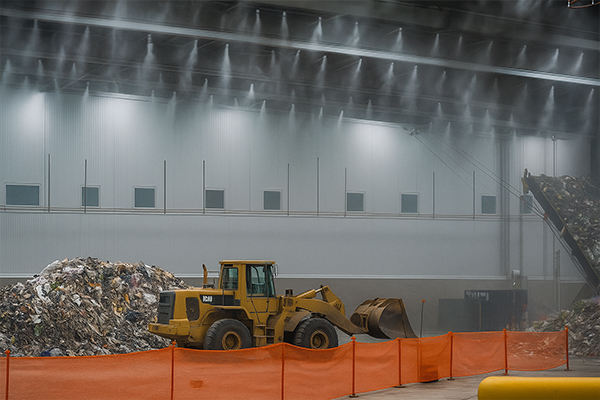
Waste Management Industry
- Landfills
- Solid Waste Processing Plants
- Composting Facilities
- Garbage Transfer Stations
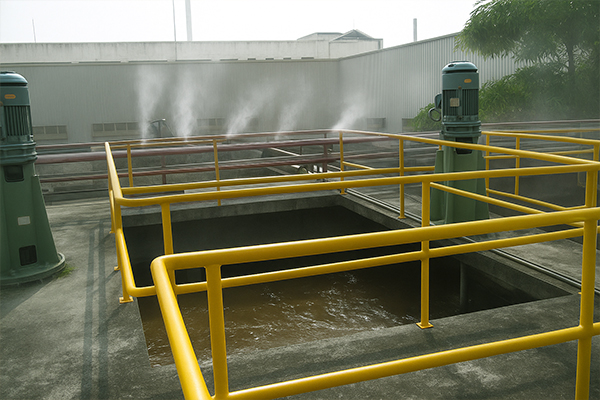
Water Treatment Industry
- Sewage Treatment Plants (STP)
- Effluent Treatment Plants (ETP)
- Sludge Drying Units
- Pumping Stations
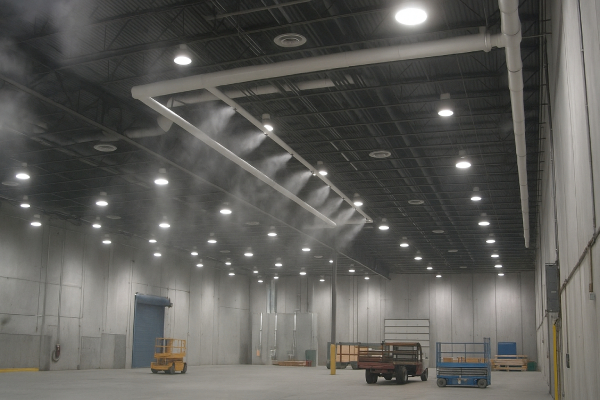
Industrial Manufacturing
- Chemical Industries
- Petrochemical Refineries
- Food Processing Plants
- Pharmaceutical Manufacturing
- Sugar and Paper Mills
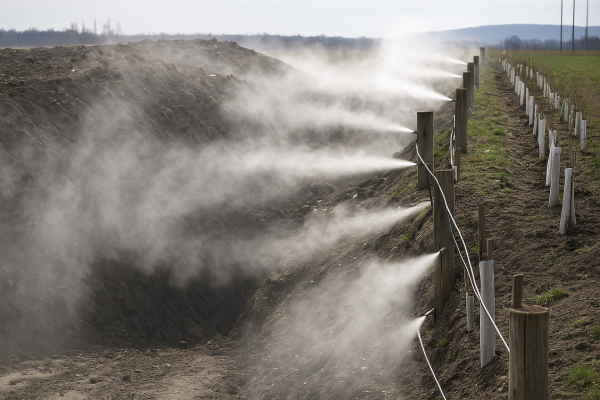
Agriculture & Livestock Sector
- Poultry Farms
- Dairy Farms
- Animal Waste Treatment Plants

Municipal Infrastructure
- Waste Storage Facilities
- Urban Sanitation Systems
- Recycling Plants
Key Benefits of Industrial Odor Control Systems
- Improved Air Quality
- Reduced Toxic Gas Exposure
- Environment-Friendly Operation
- Increased Employee Productivity
- Pollution Control Compliance
- Reduced Odor Complaints
- Low Maintenance and Cost Efficiency
- Enhanced Industrial Hygiene
Choosing the Right Odor Control System
When selecting an odor control solution, industries should evaluate the following critical factors:
- Type of Odor-Producing Gases
- Size and Layout of Facility
- Environmental Compliance Requirements
- Operational Cost and Maintenance Needs
- System Durability and Performance Efficiency
Future of Odor Control Technology
Modern odor control systems are increasingly integrated with automation, remote monitoring, and smart control technologies. These advancements help improve operational efficiency, reduce energy consumption, and provide real-time system performance monitoring.
With rising environmental awareness and stricter pollution control regulations, odor control solutions are becoming essential infrastructure components across industries worldwide.
Conclusion
Odor control systems play a vital role in maintaining environmental safety, workplace hygiene, and regulatory compliance. As industrial development continues to grow and environmental standards become more stringent, advanced odor control technologies provide sustainable and cost-effective solutions for managing air pollution challenges.
Industries that invest in efficient odor control systems not only improve operational performance but also contribute significantly to building a cleaner, safer, and healthier environment.
Frequently Asked Questions (FAQs)
What is an odor control system?
An odor control system is an advanced air treatment solution designed to eliminate unpleasant smells and harmful gases generated from industrial, municipal, and waste management processes.
Where are odor control systems commonly used?
Odor control systems are widely used in sewage treatment plants, effluent treatment plants, landfills, food processing industries, chemical manufacturing plants, and municipal waste facilities.
How do odor control systems work?
These systems capture odor-containing air and treat it using neutralizing chemicals, misting technology, or biological filtration to remove foul-smelling gases and improve air quality.
Why are odor control systems important for industries?
They help industries maintain environmental compliance, improve workplace safety, reduce odor complaints, and support sustainable operations.
Can odor control systems be customized?
Yes, odor control systems can be designed based on the type of industry, size of the facility, and specific odor-producing gases present at the site.